

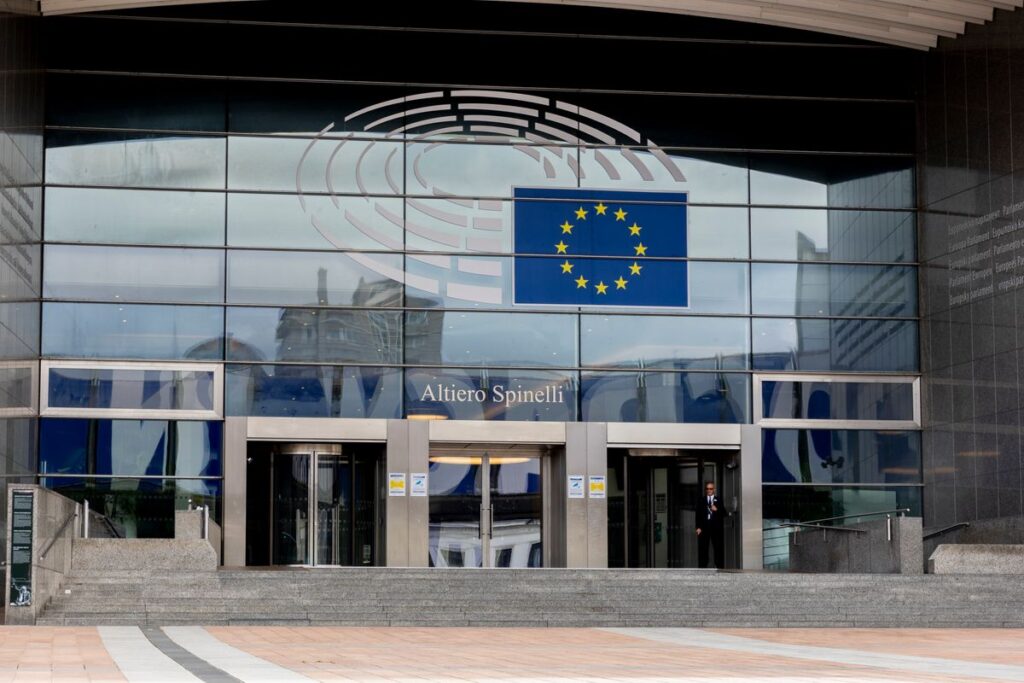
MEPs adopted their position on changes affecting packaging, batteries, textiles, footwear, electronic equipment and single-use plastics on 20 October 2026, ahead of negotiations with EU member states.
The proposals would temporarily exempt EU-based small and micro enterprises from the requirement to appoint an authorised representative in every member state where they sell products.
Under existing EU waste legislation, producers placing products on the market must contribute towards the cost of collecting, sorting and recycling their products when they become waste, through EPR schemes. They must also appoint an authorised representative in each member state where they operate.
An authorised representative is a locally based party appointed by an overseas producer to manage their legal environmental and recycling duties within a member state.
The European Commission proposed suspending the representative requirement until 2035 to reduce administrative burdens on businesses operating across borders. MEPs have backed a narrower exemption, limiting it to small and micro enterprises established within the EU.
These are defined as businesses employing fewer than 50 people and with an annual turnover or balance sheet total below €10 million.
The suspension would not remove other EPR obligations, including waste prevention requirements and the payment of producer responsibility fees.
Next steps
MEPs also called for improved information exchange between member states, interoperable digital systems and common reporting requirements to make it easier for businesses to comply with waste legislation across the EU.
Rapporteur Ingeborg ter Laak commented: “For European companies to be able to grow and sell, unnecessary administrative burdens should be reduced without compromising our environmental ambitions.
“It is clear that companies should take responsibility for the waste they produce, and that products need to be collected and recycled properly. We should reach these goals without creating unnecessary obstacles for the businesses we want to see succeed in Europe.
“We can show that environmental responsibilities can go hand in hand with economic opportunities.”
The Parliament’s position on waste batteries and packaging waste was adopted by 616 votes to nine, with 39 abstentions. A separate position covering textiles, footwear, electronic equipment and single-use plastics passed by 612 votes to eight, with 39 abstentions.
The European Council must also agree its position before negotiations on the final legislation can begin.
The measures form part of wider EU efforts to simplify regulation and reduce barriers to businesses operating across the single market. A broader circular economy act is also expected to address EU circularity rules.

Register for free to comment